Sample Laboratory Tube Infographic Review
A First Look at the Design
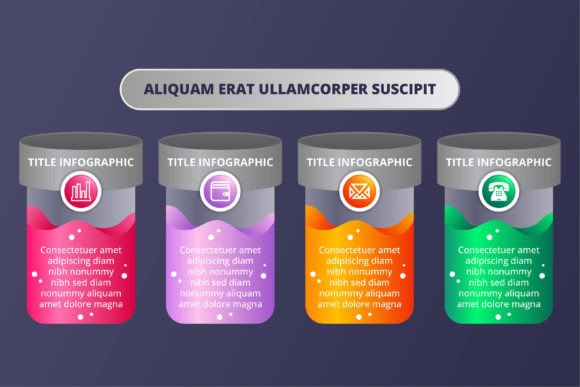
At first glance, Sample Laboratory Tube Infographic has a clean and modern vibe that immediately draws attention. The dark purple gradient gives it a professional yet slightly mysterious feel, which makes it perfect for creative projects that need a touch of sophistication. The test tube shape with its lid is very recognizable, and the four-step layout adds structure to what could otherwise be a simple illustration.
The vector nature of the design means it’s scalable without losing quality, which is a big plus for embroidery designers who work across various product sizes. The color palette is vibrant but not overwhelming, making it versatile for different fabric backgrounds and thread choices. It feels like a design that can be adapted for both casual and formal uses, depending on how you approach it.
How It Stands Up in Real Embroidery Projects
When considering Sample Laboratory Tube Infographic for real-life embroidery applications, I imagine using it on a custom embroidered tote bag or even a baby onesie. The bold lines and clear shapes would translate well into stitch patterns, especially when using satin or fill stitches to highlight the test tube and its lid. For a tote bag, this design could serve as a unique branding element for a craft business or small shop product, adding a visual story that stands out.
On a sweatshirt or t-shirt, the design would work best in a larger hoop size, giving the embroidery room to breathe. The four-step layout could be used as a visual guide for a workshop or class, making it a great choice for educational merchandise. If I were designing a patch for a science-themed gift, this would be an excellent base—especially if paired with subtle details like numbers or icons to enhance the infographic feel.
For something more personal, like a holiday gift or personalized item, the design could be modified with additional text or decorative elements. However, care should be taken with tiny lettering or intricate corners, as these might get lost in the stitching process. A test on scrap fabric would be essential before committing to a finished product.
Where This Design Might Need Extra Attention
While Sample Laboratory Tube Infographic looks great on smooth, light-colored fabrics, it may require some adjustments for use on textured or stretchy materials. Dark fabrics could also pose a challenge, as the dark purple gradient might blend too much with the background unless contrast is carefully considered. Using a white or light-colored thread for key areas could help maintain visibility.
If planning to use this design on curved surfaces like caps or hats, checking the hoop size and stitch density is crucial. Dense stitch areas near the test tube’s base or lid might cause puckering or distortion, so testing on a sample piece would be wise. Additionally, for commercial embroidery projects, ensuring proper stabilizer use will prevent shifting during the stitching process.
This design might not be ideal for products that undergo frequent washing, as the detail-heavy areas could fray over time. If selling this as part of a digital embroidery file or printable mockup, confirming licensing terms is important to avoid any legal issues down the line.
Design Impact and Practical Notes for Embroidery Creators
Sample Laboratory Tube Infographic brings a sense of clarity and professionalism to any project it's applied to. Its structured layout makes it suitable for educational or informational purposes, while its visual appeal adds value to handmade products like aprons, pillow covers, or nursery decor. When used on Etsy listings or craft fair items, it can elevate the presentation and attract buyers looking for unique, themed designs.
From a customer perspective, the design feels trustworthy and polished. It suggests a level of detail and intentionality that enhances the perceived quality of the finished product. Whether it's a personalized gift or a boutique brand item, this design helps create a cohesive look that aligns with the overall theme of the product.
As a practical designer, I recommend reviewing the stitch density and thread colors before finalizing any project. Testing the design in black and white mockups can reveal how it translates to different fabric backgrounds. Also, comparing it on light and dark fabrics will help determine whether adjustments are needed for optimal visibility.
Finally, always confirm whether the design works for both personal and commercial use, and check the licensing terms if you plan to sell finished items or digital embroidery files. With a few thoughtful considerations, Sample Laboratory Tube Infographic can become a valuable asset in your embroidery toolkit, adding a creative and professional edge to your handmade or commercial projects.