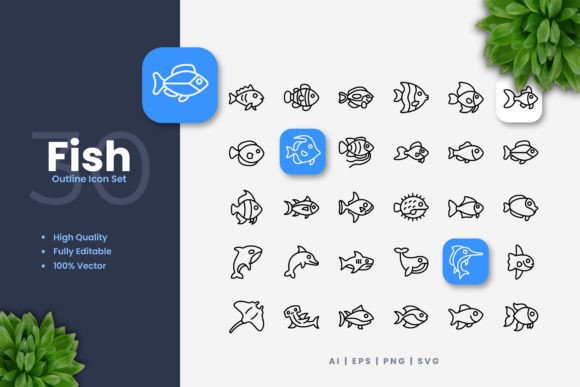
Fish Icons Graphics for Modern Web Design
First Impressions: A Clean and Versatile Graphic Design Asset
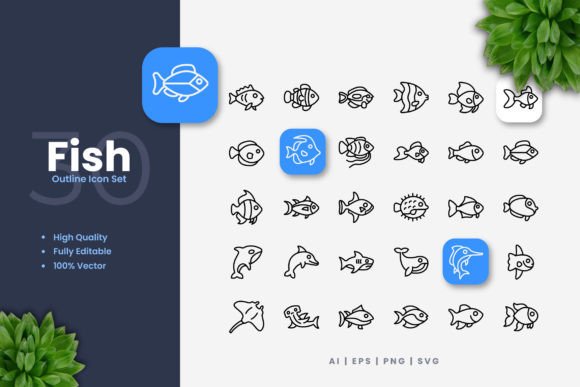
Fish Icons immediately strikes a balance between simplicity and visual appeal. The graphic design asset offers a fresh, modern aesthetic that feels both professional and approachable. Its clean lines and minimalistic style make it ideal for a wide range of editorial and digital publishing needs. Whether you're working on a blog post, a downloadable guide, or a social media campaign, Fish Icons provides a consistent visual language that supports clear communication without overwhelming the reader.
Editorial Mood and Niche Fit
The mood created by Fish Icons is subtle yet engaging. It leans toward a modern, clean design that aligns well with lifestyle, educational, and creative niches. These icons are perfect for content creators who want to maintain a friendly yet polished look in their editorial design. They work especially well in content marketing strategies that rely on visual storytelling and brand identity consistency.
For example, if you're building a digital guide on sustainable living or designing a printable resource for small business branding, Fish Icons can add a touch of professionalism while keeping the tone accessible. Their versatility makes them suitable for both playful and serious editorial contexts, depending on how they’re styled and integrated into your design layout.
Real Publishing Use Cases
Fish Icons are incredibly practical for real-world publishing workflows. Here are some key use cases:
- Blog Featured Images: Use Fish Icons as part of your article headers or featured images to draw attention and reinforce your content’s theme.
- Pinterest Pins: These icons are great for creating eye-catching Pinterest graphics that stand out in a crowded feed.
- Website Headers: Incorporate Fish Icons into your website header or navigation bar to enhance visual hierarchy and brand recognition.
- Newsletter Graphics: Add a visual element to your email newsletters to make them more engaging and clickable.
- Downloadable Resources: Include Fish Icons in lead magnets, worksheets, or digital guides to improve the overall design quality of your content marketing efforts.
- Social Media Posts: Use these icons in Canva templates or directly in your social media visuals to create cohesive and visually appealing posts.
Supporting Content Performance
When used effectively, Fish Icons can significantly boost the performance of your content. They help create a stronger first impression, which is crucial for capturing user attention on websites and social platforms. The clear visual hierarchy they provide ensures that readers can quickly understand the purpose of your content, leading to better click-through rates and engagement.
Moreover, Fish Icons contribute to a more consistent brand identity across all your digital assets. This consistency builds trust with your audience, making your content feel more reliable and professional. Whether you're working on an affiliate marketing page or a digital product, the right use of these icons can elevate the overall look and feel of your content.
Where Fish Icons Excel
Fish Icons perform best in areas where visual clarity and brand alignment are key. Consider using them in:
- Hero Images: As the focal point of your homepage or landing page.
- Article Thumbnails: To give readers a quick visual preview of your content.
- Pinterest Pins: For high-traffic visual content that requires a clean and modern look.
- Blog Graphics: To complement your written content and enhance readability.
- Editorial Accents: To add subtle visual interest to your layouts without cluttering the design.
- Content Upgrades: To make downloadable resources more visually appealing and professional.
- Category Visuals: To represent different sections or topics on your website.
- Social Media Previews: To ensure your content looks good across all platforms.
Where to Use with Caution
While Fish Icons are highly versatile, there are situations where they might not be the best fit:
- Small Mobile Thumbnails: On very small screens, these icons may become too tiny to be effective.
- Text-Heavy Blog Images: Avoid using them in layouts where text is the primary focus, as they might distract from the content.
- Low-Contrast Backgrounds: Ensure the icons have enough contrast against the background to remain visible.
- BUSY Layouts: In complex designs, Fish Icons could get lost among other elements.
- Serious Professional Niches: While they offer a clean look, they may not convey the level of formality required for corporate or legal content.
- Websites with Minimalist Visual Systems: If your site uses a very simple design, Fish Icons might add unnecessary complexity.
Publisher Notes for Optimal Use
To maximize the effectiveness of Fish Icons, consider the following publisher notes:
- Test Across Devices: Make sure the icons look good on both desktop and mobile screens.
- Check Thumbnail Preview: Ensure they appear clear and readable when used as thumbnails.
- Preview in Real Layouts: Test the icons within your actual blog or website design to see how they integrate.
- Try with Different Text Styles: Place the icons beside various fonts to find the best combination for your brand identity.
- Review File Size: Optimize image size for web performance without sacrificing quality.
- Compress Properly: Use tools like TinyPNG or ImageOptim to keep your files lightweight.
- Confirm Commercial Licensing: Always verify that you have the appropriate commercial license before using Fish Icons on monetized content or paid digital products.
Conclusion: A Reliable Graphic Design Asset for Content Creators
Fish Icons are a valuable addition to any designer's toolkit, especially for those focused on content marketing, digital publishing, and small business branding. Their clean and modern design supports a wide range of editorial and visual needs, making them ideal for blog graphics, social media visuals, and downloadable resources. When used thoughtfully, they can enhance brand identity, improve user experience, and support the overall success of your content strategy.